- Capability : Vehicle engineering and integration
- Locations : Austria, Slovenia
- Applied in : eVersum vehicle programmes and joint customer projects
- Contact : engineering@eversum.com or the central contact form
Engineering capability
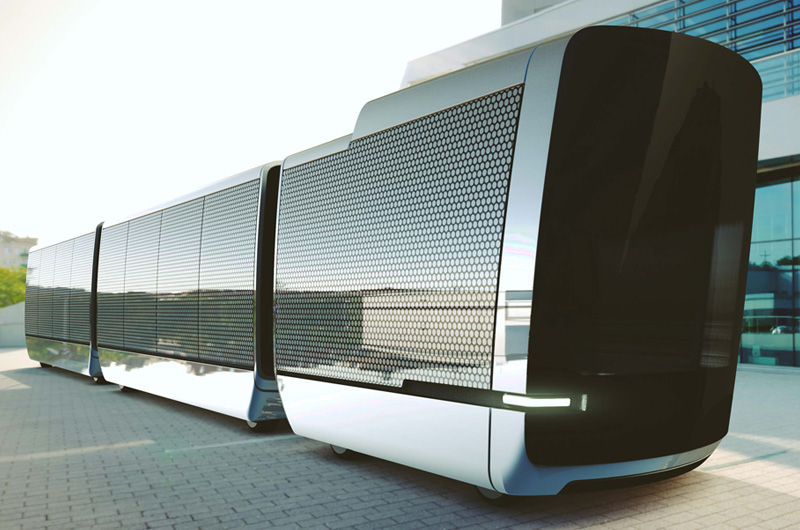
eVersum combines interdisciplinary capabilities to develop and integrate electric passenger-transport vehicles. Concept work, mechanical and electrical/electronic engineering, embedded vehicle controls, prototype build, approval preparation and industrialisation are handled by one team, which is why our own vehicles and our customer programmes share the same engineering basis.
The modules below describe capabilities that eVersum currently resources and applies within its own vehicle programmes and within jointly contracted customer projects. They are not offered as standalone consultancy or design services.
Vehicle programmes start with a documented requirement set agreed with the operator or customer, translated into a technical vehicle concept.
| >> | Analysis of operational, technical, commercial and regulatory requirements |
| >> | Vehicle concept definition, including duty cycle, energy demand and component pre-selection |
| >> | Packaging and layout studies for new or existing vehicle structures |
| >> | Requirement traceability into system, component and supplier specifications |
Mechanical engineering is carried out in-house on defined software tools and documentation structures, including a structured bill of materials.
| >> | Definition of assembly structures, hierarchies and revision control |
| >> | 3D modelling of components, sub-assemblies and complete vehicle packages |
| >> | Body, interior and accessibility packaging for passenger-transport vehicles |
| >> | Production and assembly drawings, including manufacturing documentation |
The electrical and electronic architecture, the vehicle control software and the network integration are developed as one coherent scope.
| >> | High-voltage and low-voltage architecture for electric drivetrains |
| >> | Wiring diagrams and cable harness design suitable for series assembly |
| >> | Vehicle control hardware, including vehicle management unit controllers |
| >> | Embedded software in C, developed against MISRA and automotive coding practice |
| >> | CAN network definition, interfaces, diagnostics and parameter calibration |
| >> | Control functions such as traction control, torque control, speed limitation, creep, deceleration, hill-hold and parking brake logic |
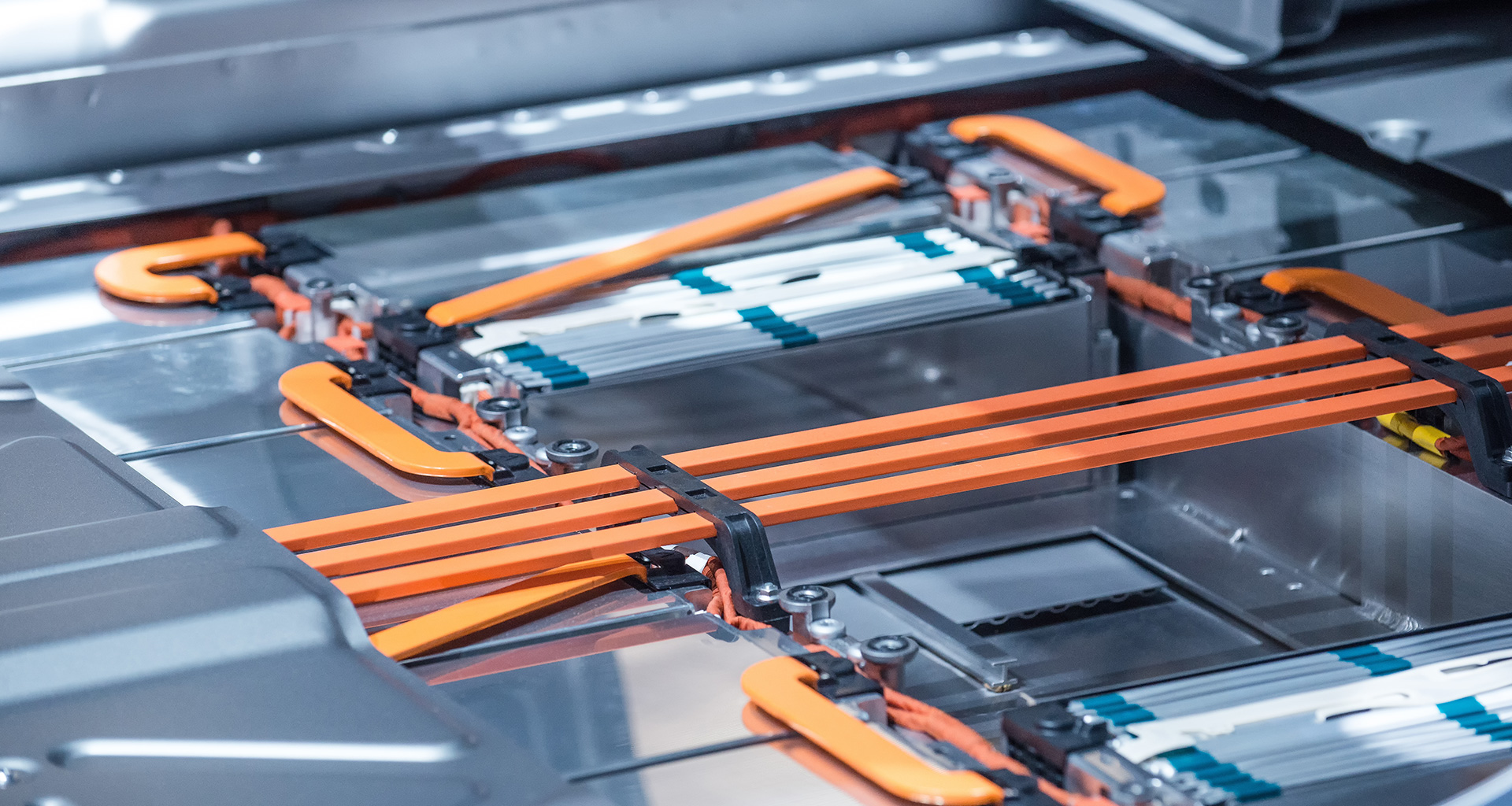
| >> | Battery system integration and interfacing with third-party battery management systems |
Safety and security work is performed as part of the engineering process, in line with the applicable frameworks. Scope and depth are agreed per programme.
| >> | Systems engineering approach with defined requirements, interfaces and verification criteria |
| >> | Hazard analysis, risk assessment and safety-concept work following ISO 26262 practice |
| >> | Cybersecurity engineering practice aligned with ISO/SAE 21434 for vehicle E/E systems |
| >> | Failure-mode analysis for electrical, control and actuation functions |
| >> | Documentation and evidence packages supporting the vehicle-level safety case |
In-house build capability allows engineering results to be verified on real vehicles and transferred into small-series assembly.
| >> | Prototype build and assembly of complete vehicles and sub-systems |
| >> | Verification of systems and components on drivable vehicles and on test benches |
| >> | Performance measurement, parameter optimisation and fine adjustment |
| >> | Transfer from laboratory conditions to real operating environments, including temperature and weather effects |
| >> | Small-series assembly with defined work instructions and quality records |
eVersum provides the vehicle platform, redundant actuation architecture and interfaces required to integrate a specialist third-party automated-driving system. The automated-driving system itself is supplied by the partner.
| >> | Redundant steering, propulsion and braking actuation interfaces |
| >> | Safety power supply, embedded vehicle control and diagnostics interfaces |
| >> | Interface specification and control allocation with the automated-driving system supplier |
| >> | Joint safety concept, operational design domain definition and validation planning |
| >> | Vehicle-level integration and testing support |
| >> | The base AD-ready vehicle is delivered as an SAE L0 vehicle unless a separately contracted automated-driving system has been integrated, validated and authorised. The achieved automation level is project- and system-specific. |
Compliance is considered from the concept phase onwards. Approval work is prepared and coordinated together with accredited technical services and authorities.
| >> | Analysis of applicable technical and legal requirements |
| >> | Homologation and test planning with technical services and authorities |
| >> | Verification and validation test programmes, execution support and witnessing |
| >> | Compilation of technical documentation and approval files |
| >> | Approval is granted by the competent authority or technical service; scope and route are project-specific. |
Engineering output is prepared for repeatable manufacturing, supported by an established supplier network and by engineering support during operation.
| >> | Component definition, sourcing specifications and structured supplier development |
| >> | Strategic collaboration with key component manufacturers, including battery technology |
| >> | Assembly process, tooling and logistics preparation for small-series production |
| >> | Commissioning support and field-service engineering assistance |
| >> | Diagnostics, software updates and parameter adjustment on site or remotely |
| >> | Technical documentation for operation, service and maintenance |